What we install
Roofing Materials
Our crews are specialty-trained across every material below — shingle, metal, tile, slate, coatings, and flat roofing. Whatever the problem is with your roof, we have the experience and expertise to help. Pick a material for the honest version — what it's actually good for, and where it isn't the right call.
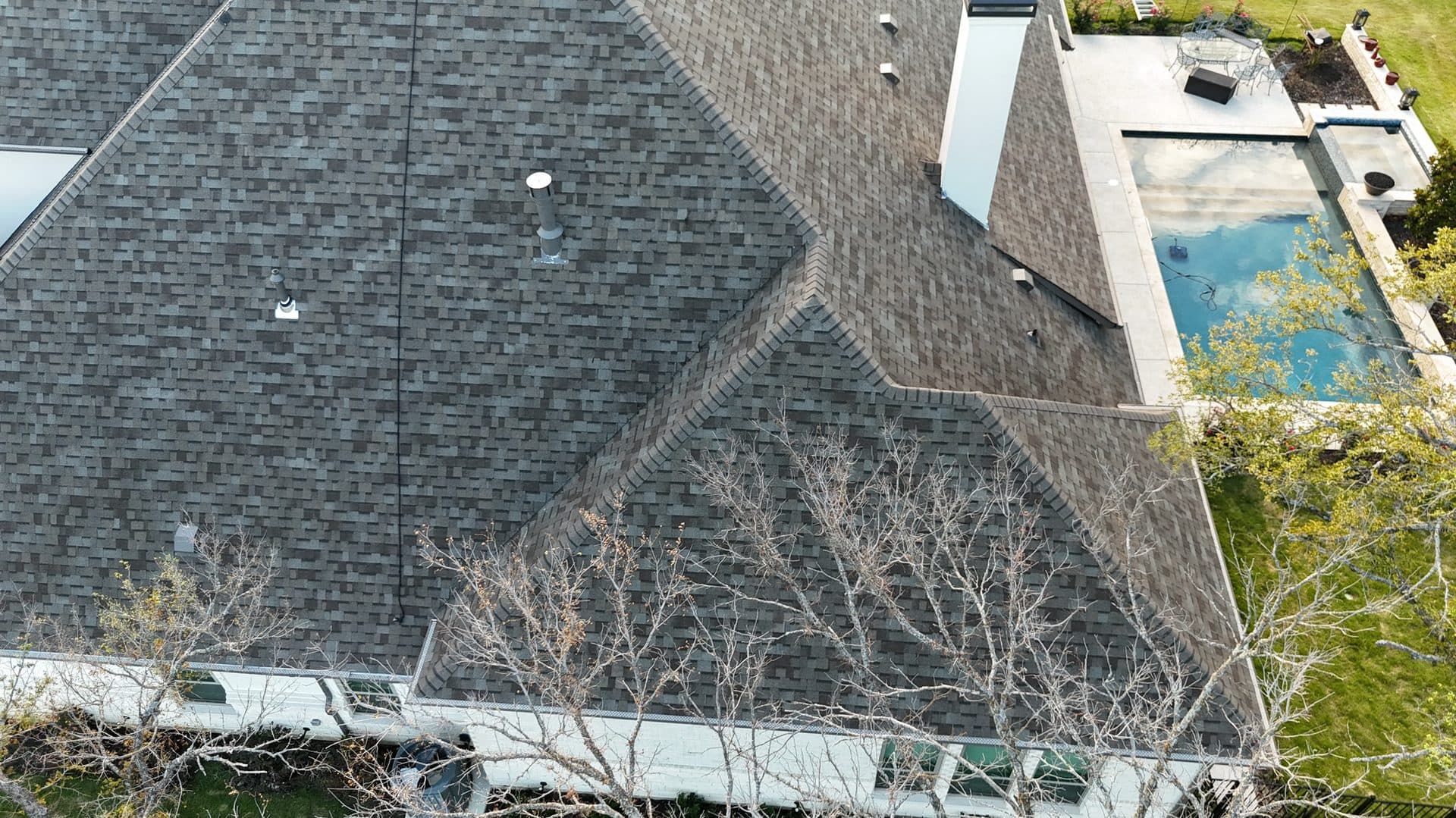
Asphalt Shingle Roofing
The standard for most DFW homes -- wide style range, proven performance
Asphalt shingles are the roofing material on the large majority of homes in the DFW area, and for good reason: a wide range of colors and styles, straightforward installation, and a track record contractors and insurers both understand well. Most residential reroofs we do are architectural (dimensional) shingles rather than older 3-tab -- they're thicker, handle wind and hail better, and are what over 90% of new asphalt installations use today.
View details →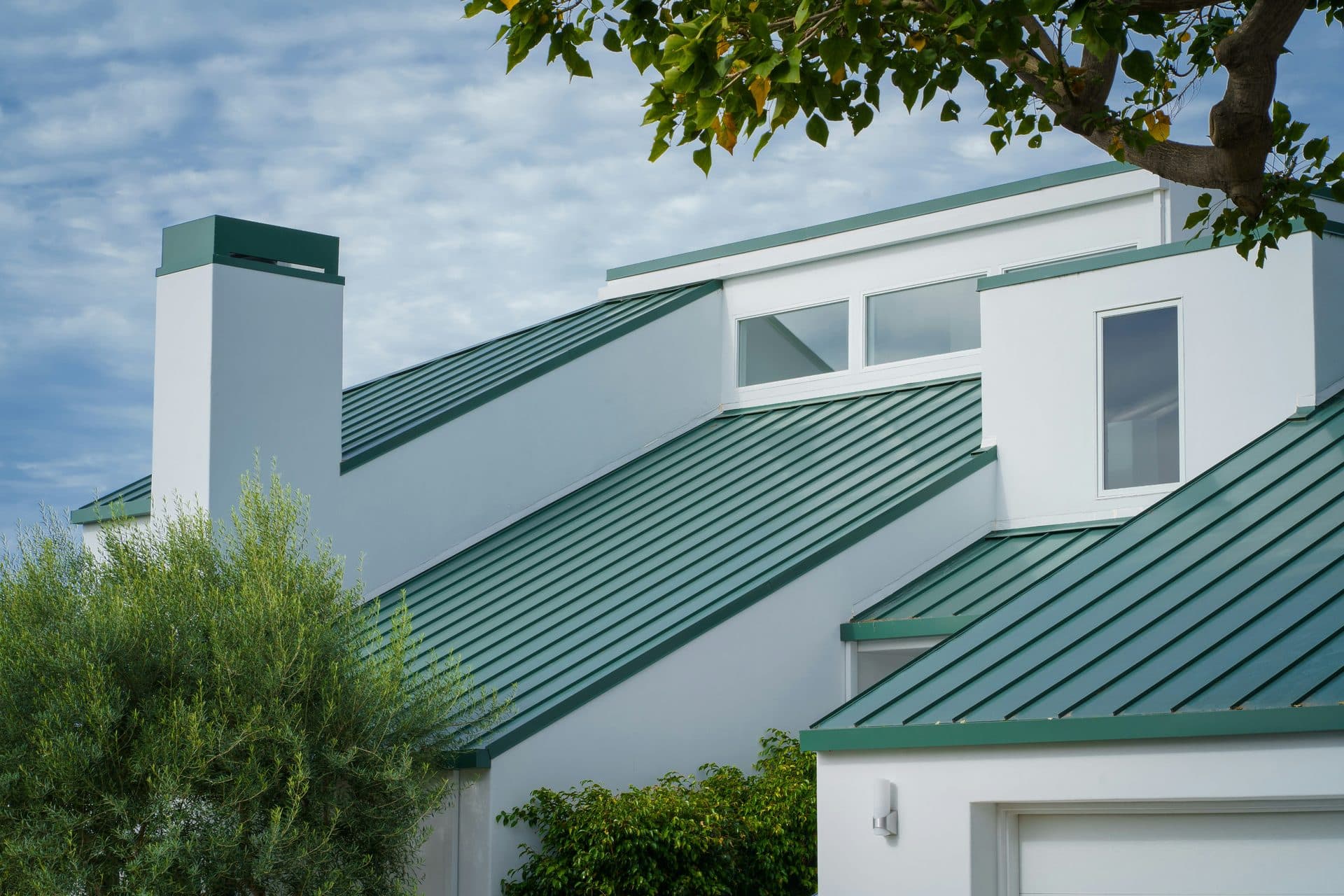
Metal Roofing
Standing seam and metal panel systems built to outlast the house
Standing seam and other metal panel roofing systems trade a higher upfront cost for a dramatically longer service life and stronger storm performance than asphalt. It's a common upgrade for homeowners planning to stay long-term, or replacing a roof that's taken repeated hail damage and getting tired of the cycle.
View details →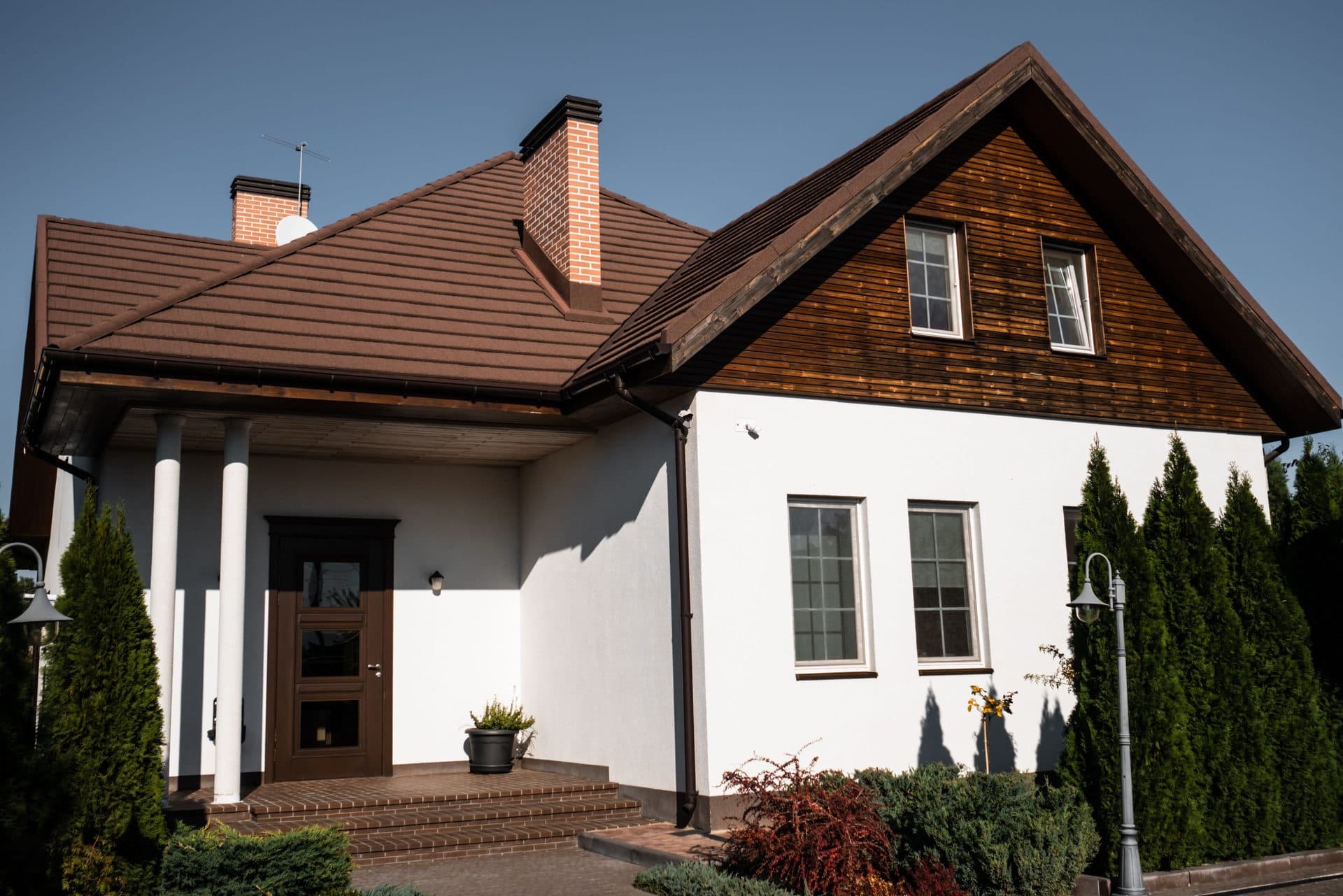
Stone-Coated Steel Roofing
Metal durability with the look of tile, slate, or shake
Stone-coated steel is steel roofing paneling coated with stone granules, engineered to mimic the appearance of clay tile, slate, or wood shake without the weight of real tile or the maintenance of real wood. It's a strong option for homeowners who want that look on a home that isn't structurally built for real clay tile or natural slate.
View details →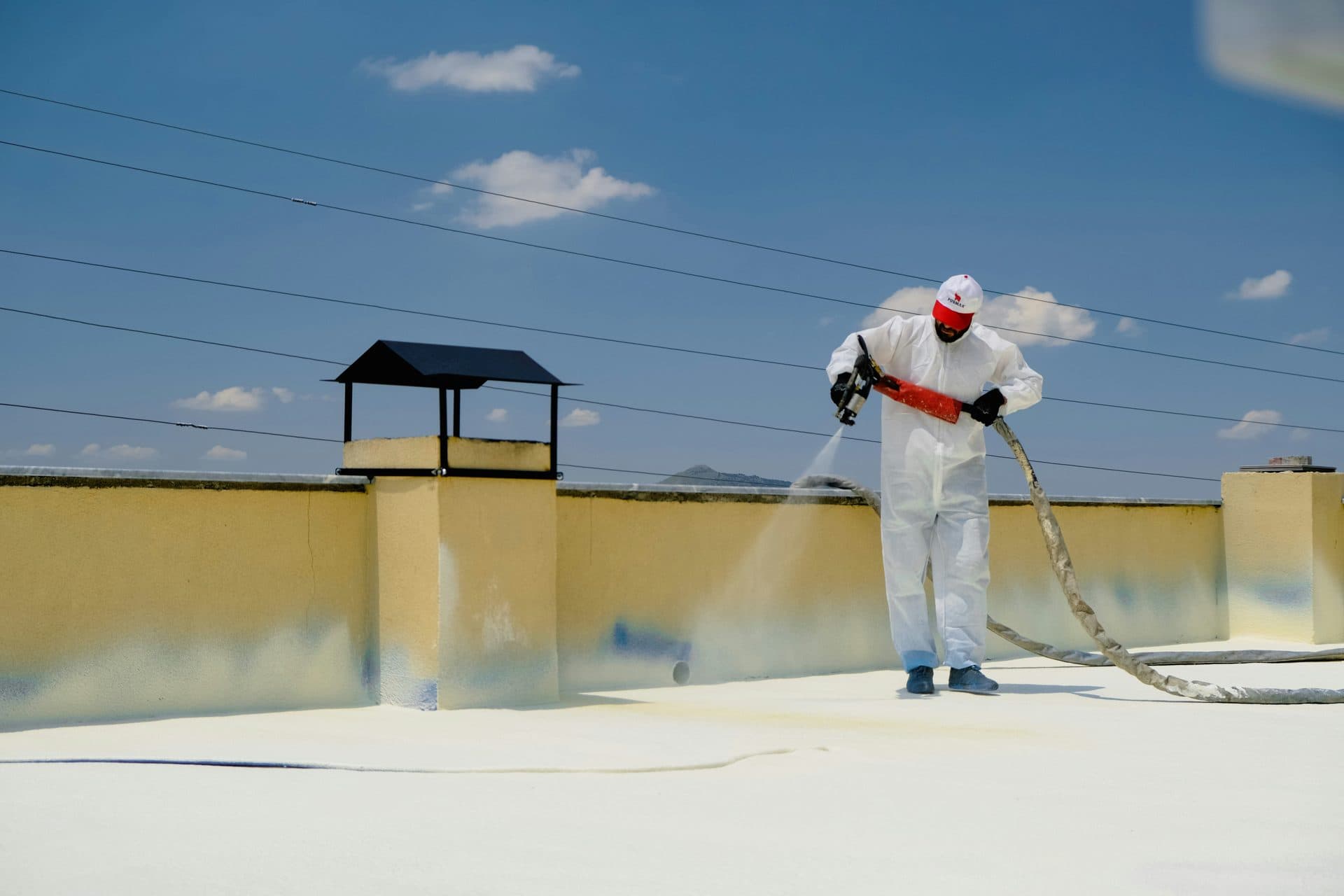
Roof Coatings
Extend the life of a flat or low-slope roof without a full tear-off
Roof coatings are liquid-applied membranes -- silicone, elastomeric, or acrylic -- used mainly on flat or low-slope sections: additions, porches, and commercial or light-commercial roofs. Rather than a full tear-off, a coating seals seams and minor damage on a roof that's still structurally sound, and reflects heat to help with cooling costs. It's priced and measured by coverage per gallon rather than per square, since it's a surface treatment, not a new roofing system.
View details →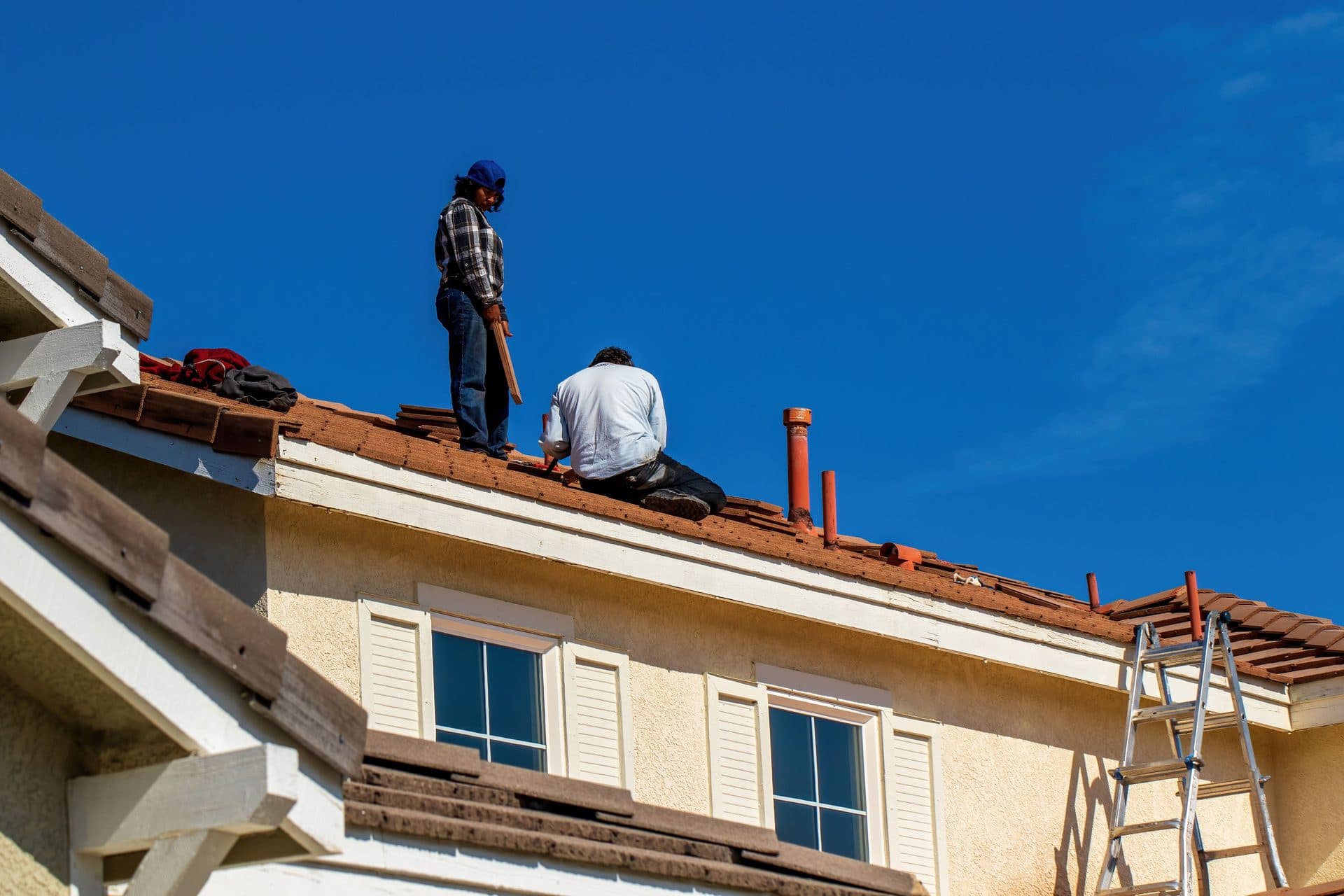
Clay & Concrete Tile Roofing
Authentic Mediterranean and Southwestern style, built to last generations
Clay and concrete tile are heavy, durable roofing materials common on Mediterranean, Spanish, and Southwestern-style homes. Clay tile is kiln-fired and holds its color for decades; concrete tile costs less upfront but doesn't last quite as long. Both are a real structural commitment, not just a style choice -- tile is far heavier than asphalt shingles, and most homes built for a standard shingle roof need a structural review before tile goes on.
View details →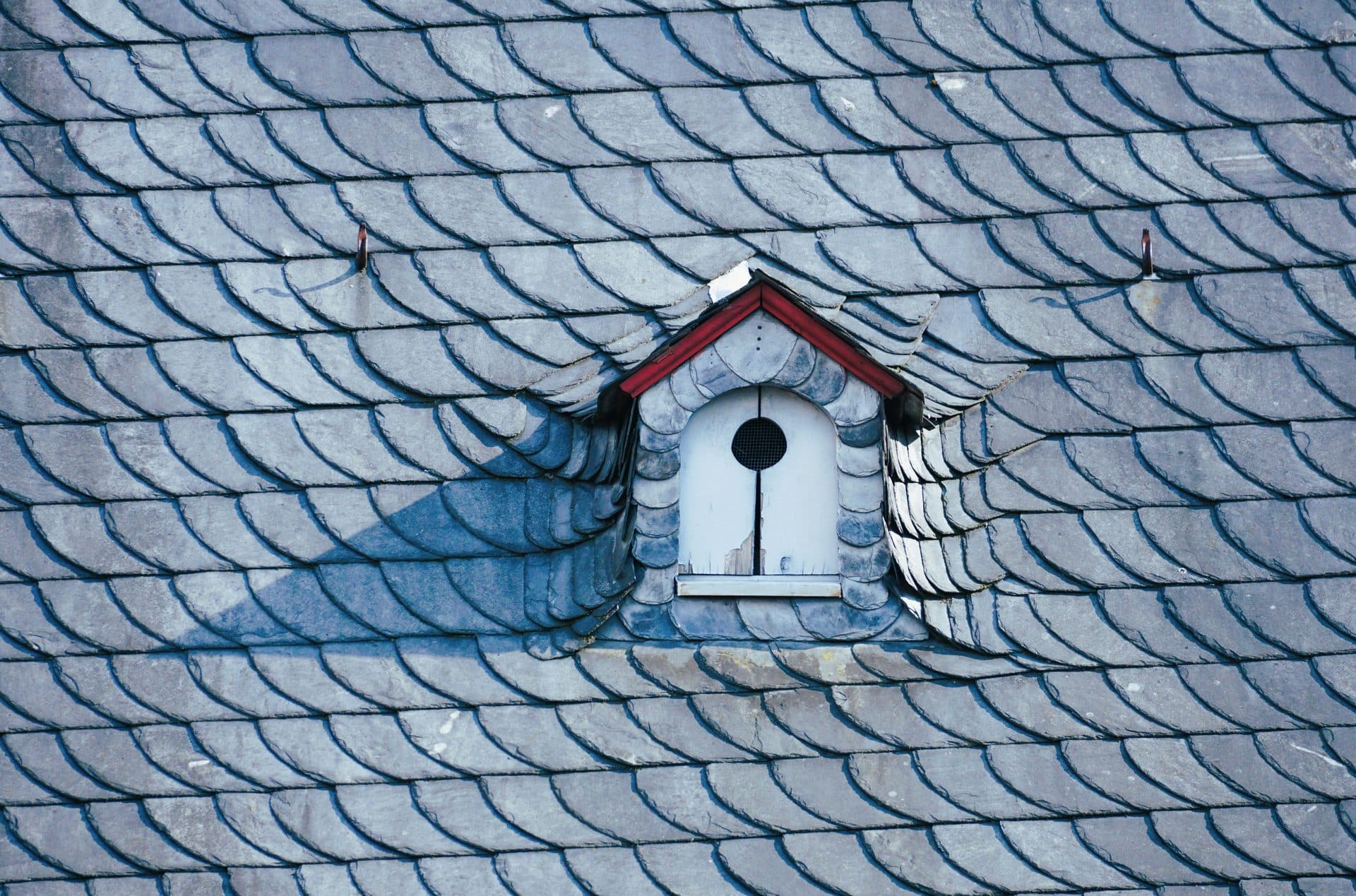
Slate Roofing
Natural stone that can outlast the house it's on
Natural slate is quarried stone, and it's one of the longest-lasting roofing materials that exists -- a well-installed slate roof can last 75-100+ years. It's also among the heaviest and most expensive options, and installing or repairing it correctly takes real specialized skill. Synthetic slate offers a similar look at a fraction of the weight and cost, with a shorter but still respectable lifespan.
View details →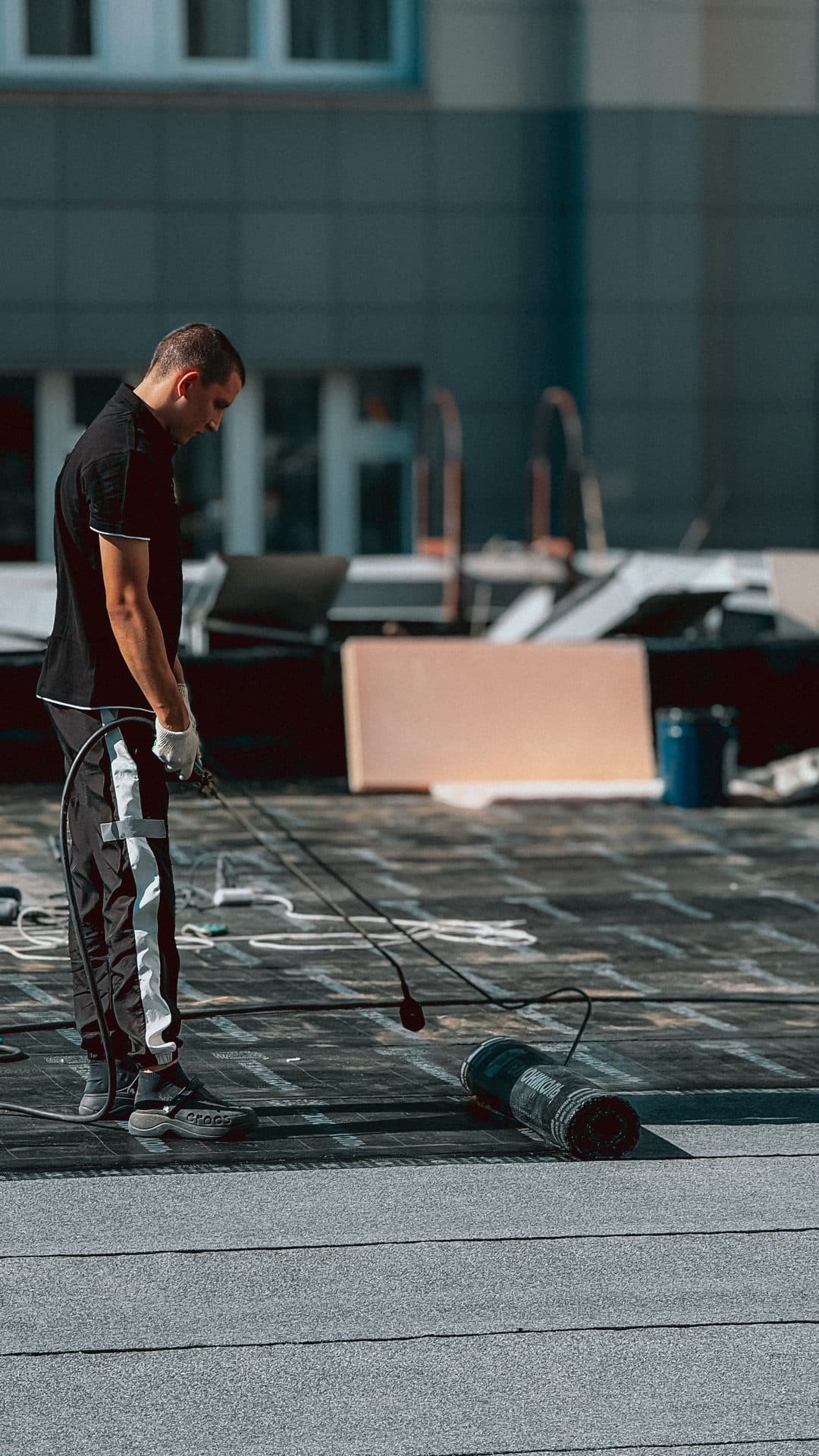
Flat & Low-Slope Roofing
TPO, EPDM, and modified bitumen systems for additions, porches, and commercial roofs
TPO, EPDM, and modified bitumen (also called torch-down) are the three main systems built for flat and low-slope roofs -- additions, porches, and full commercial or light-commercial roofs. This is a different job from a roof coating: a coating restores and extends the life of an existing membrane that's still structurally sound, while a new installation is a full system replacement for when the membrane itself has failed. EPDM (rubber) has the longest track record; TPO's white, reflective surface helps more with cooling costs; modified bitumen's multi-layer, torch-applied construction makes it the most puncture-resistant of the three, a real advantage on roofs that get regular foot traffic.
View details →